Custom Development
Electronic subsystems for aviation platforms requiring specialized integration.
Scope
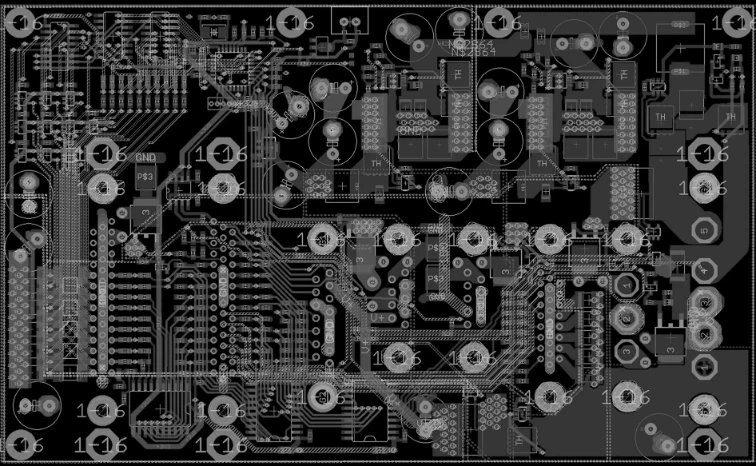
We develop electronic subsystems for aircraft applications where standard components don't meet platform requirements. This includes:
Electronic engine ignition and management systems
Power generation, regulation and distribution
Control electronics and signal processing
Sensors and monitoring systems
Custom electronic components for specific functions
We develop electronic subsystems for aircraft applications where standard components don't meet platform requirements. This includes:
Electronic engine ignition and management systems
Power generation, regulation and distribution
Control electronics and signal processing
Sensors and monitoring systems
Custom electronic components for specific functions
Scope
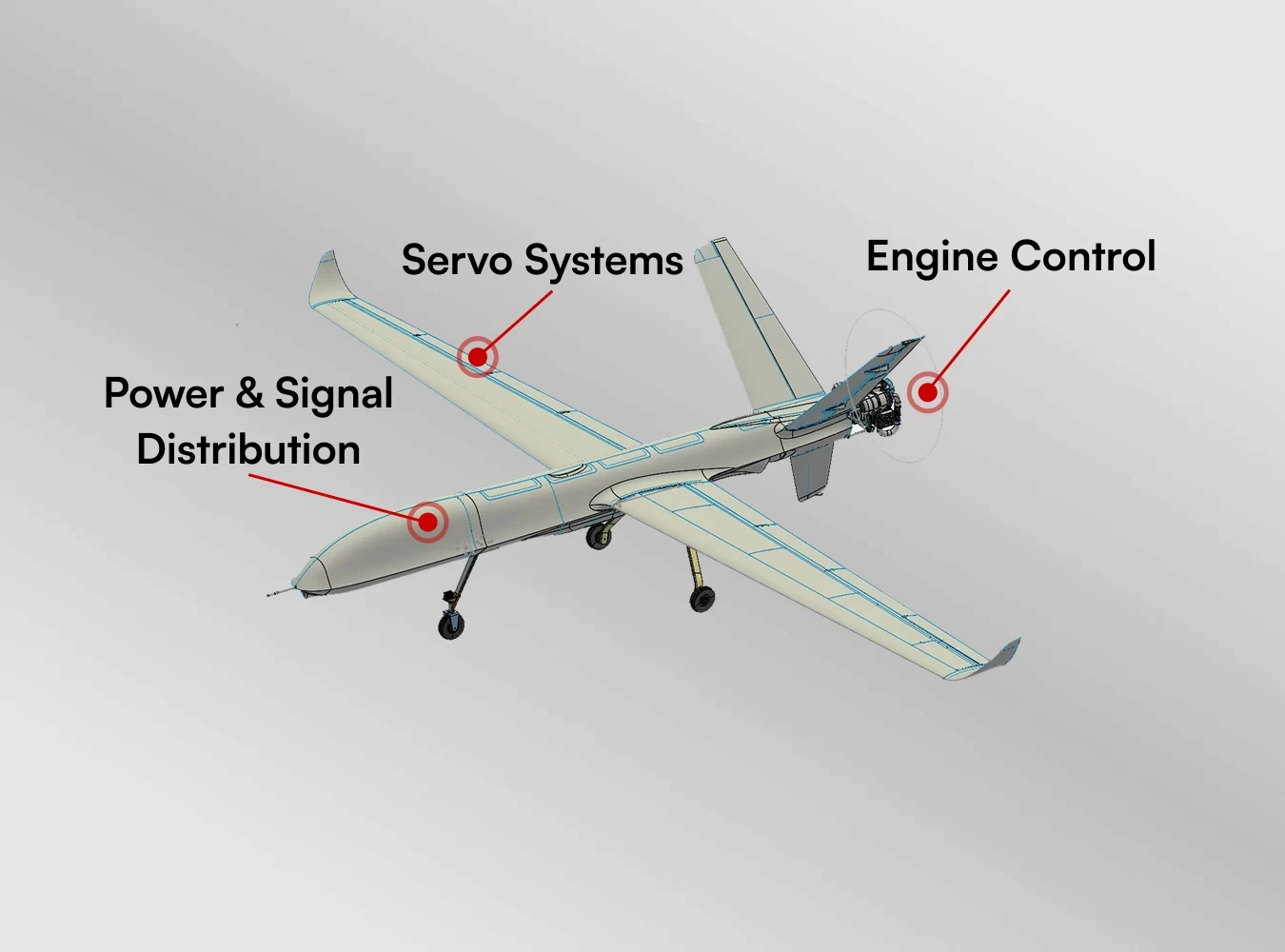
We develop electronic subsystems for aircraft applications where standard components don't meet platform requirements. This includes:
Electronic engine ignition and management systems
Power generation, regulation and distribution
Control electronics and signal processing
Sensors and monitoring systems
Custom electronic components for specific functions
Approach
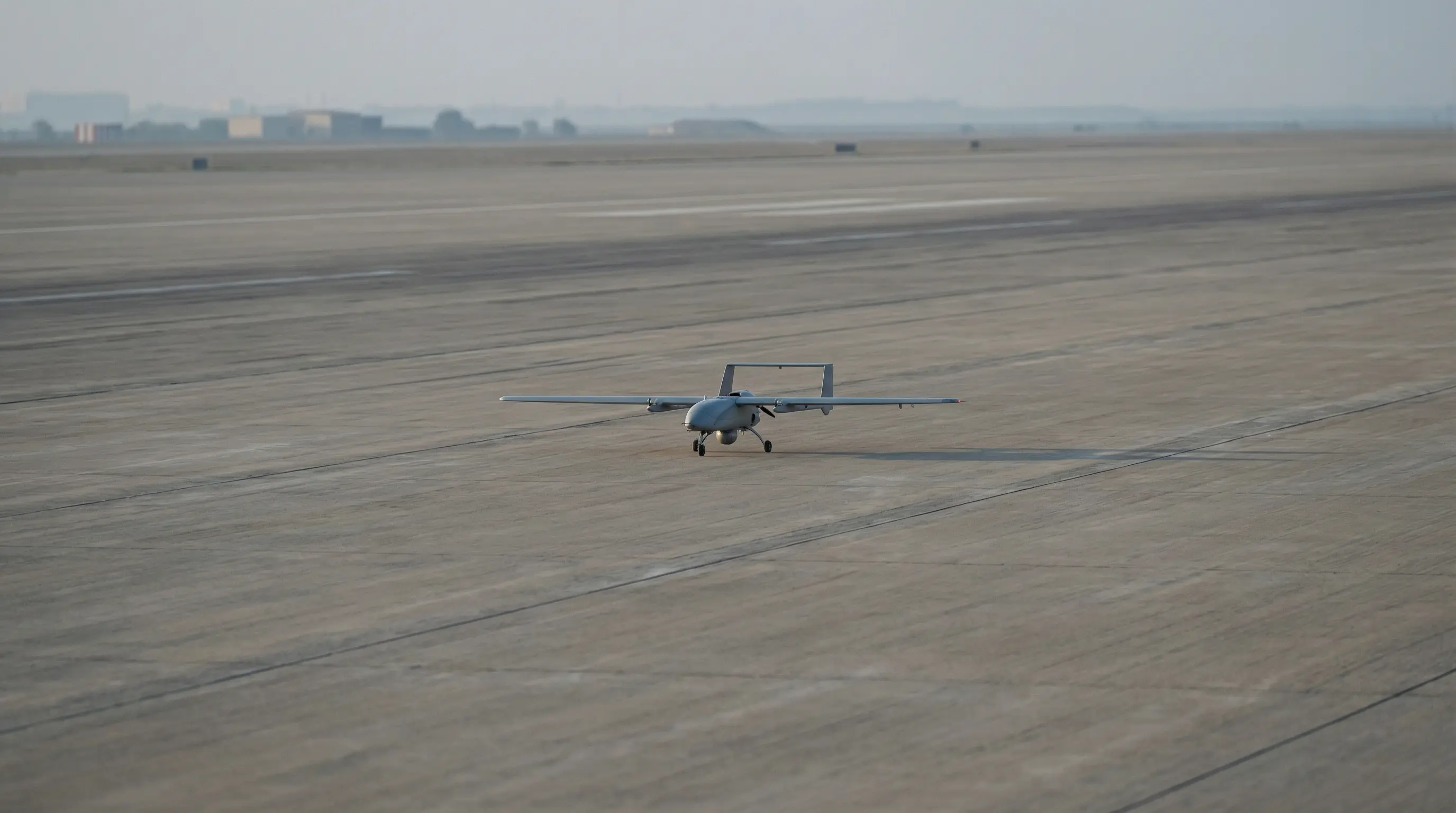
Most platforms share common electronic requirements: reliable engine control, efficient power systems, and integrated monitoring. We maintain proven designs for these applications, primarily for fixed-wing aircraft with gasoline engines ranging from small UAV scale to ultralight manned platforms.
Development adapts existing designs to your specific integration constraints -voltage levels, interfaces, mounting, and environmental conditions. For requirements outside our standard range, we develop solutions from initial specifications.
Approach
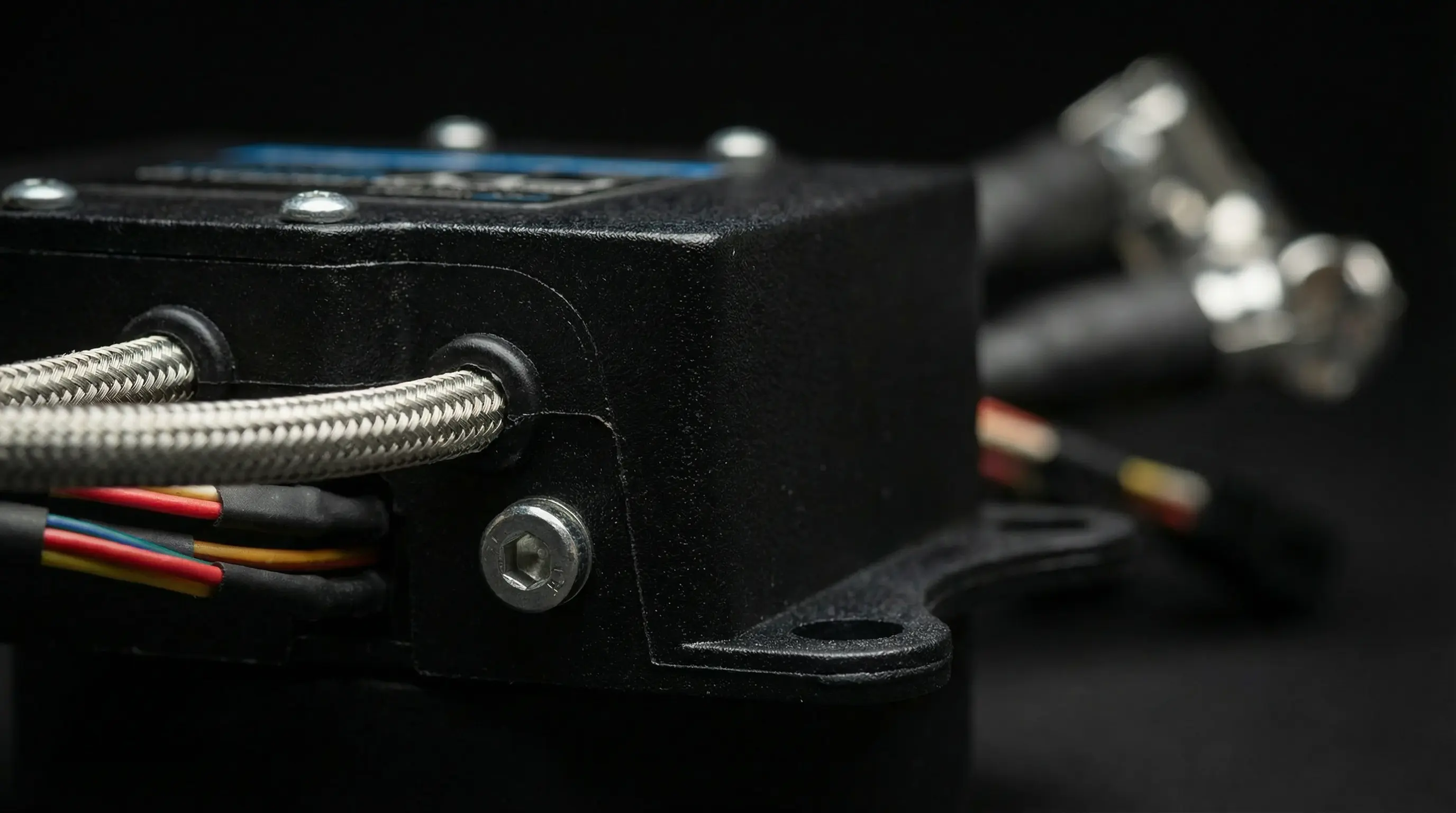
Most platforms share common electronic requirements: reliable engine control, efficient power systems, and integrated monitoring. We maintain proven designs for these applications, primarily for fixed-wing aircraft with gasoline engines ranging from small UAV scale to ultralight manned platforms.
Development adapts existing designs to your specific integration constraints -voltage levels, interfaces, mounting, and environmental conditions. For requirements outside our standard range, we develop solutions from initial specifications.
Why Custom Integration
Off-shelf electronics are designed for broad compatibility, which creates constraints: fixed voltage and power ranges, generic interfaces, standard form factors. Custom integrations are built around your requirements, not generic specifications.
European manufacturing provides direct engineering communication throughout development. Technical discussions, design changes, and problem-solving happen with the engineers building your electronics, not through sales representatives.
Long-term supply partnerships mean systems evolve with your platform. We've supported platforms through 15+ design versions over multi-year production cycles, with systems accumulating thousands of flight hours in operational service.
Why Custom Integration
Off-shelf electronics are designed for broad compatibility, which creates constraints: fixed voltage and power ranges, generic interfaces, standard form factors. Custom integrations are built around your requirements, not generic specifications.
European manufacturing provides direct engineering communication throughout development. Technical discussions, design changes, and problem-solving happen with the engineers building your electronics, not through sales representatives.
Long-term supply partnerships mean systems evolve with your platform. We've supported platforms through 15+ design versions over multi-year production cycles, with systems accumulating thousands of flight hours in operational service.
Development Process
Projects begin with platform specifications:
Engine type, size, and operating parameters
Electronic system (voltage, power requirements, battery configuration)
Physical constraints (available space, mounting points, connectors)
Environmental requirements (temperature range, altitude, operating conditions)
Integration needs (autopilot connection, sensor types, existing systems)
We propose subsystem configuration, develop prototypes, validate through testing, and deliver production hardware. Prototype delivery typically takes a few weeks after requirements are finalized.
Technical support continues through platform integration, flight testing, and ongoing evolution. Most projects span several months from initial contact to series production.
Projects begin with platform specifications:
Engine type, size, and operating parameters
Electronic system (voltage, power requirements, battery configuration)
Physical constraints (available space, mounting points, connectors)
Environmental requirements (temperature range, altitude, operating conditions)
Integration needs (autopilot connection, sensor types, existing systems)
We propose subsystem configuration, develop prototypes, validate through testing, and deliver production hardware. Prototype delivery typically takes a few weeks after requirements are finalized.
Technical support continues through platform integration, flight testing, and ongoing evolution. Most projects span several months from initial contact to series production.
Development Process
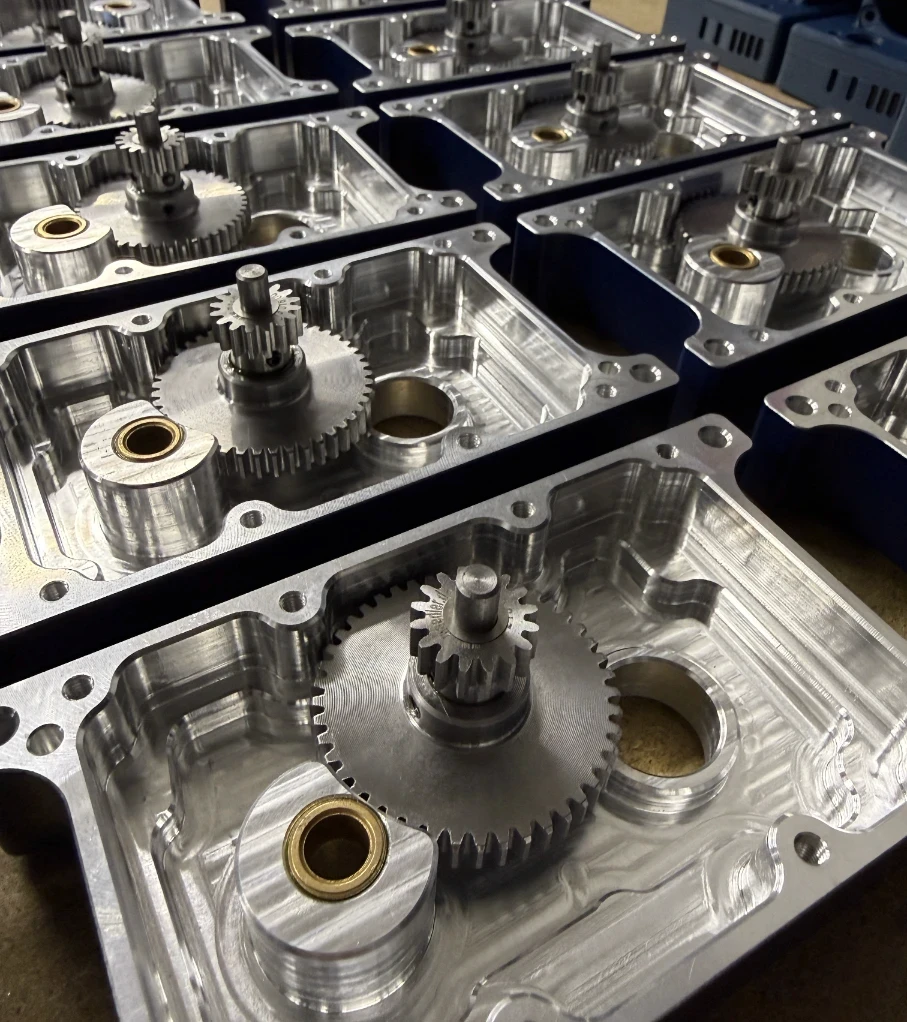
Projects begin with platform specifications:
Engine type, size, and operating parameters
Electronic system (voltage, power requirements, battery configuration)
Physical constraints (available space, mounting points, connectors)
Environmental requirements (temperature range, altitude, operating conditions)
Integration needs (autopilot connection, sensor types, existing systems)
We propose subsystem configuration, develop prototypes, validate through testing, and deliver production hardware. Prototype delivery typically takes a few weeks after requirements are finalized.
Technical support continues through platform integration, flight testing, and ongoing evolution. Most projects span several months from initial contact to series production.
Deliverables
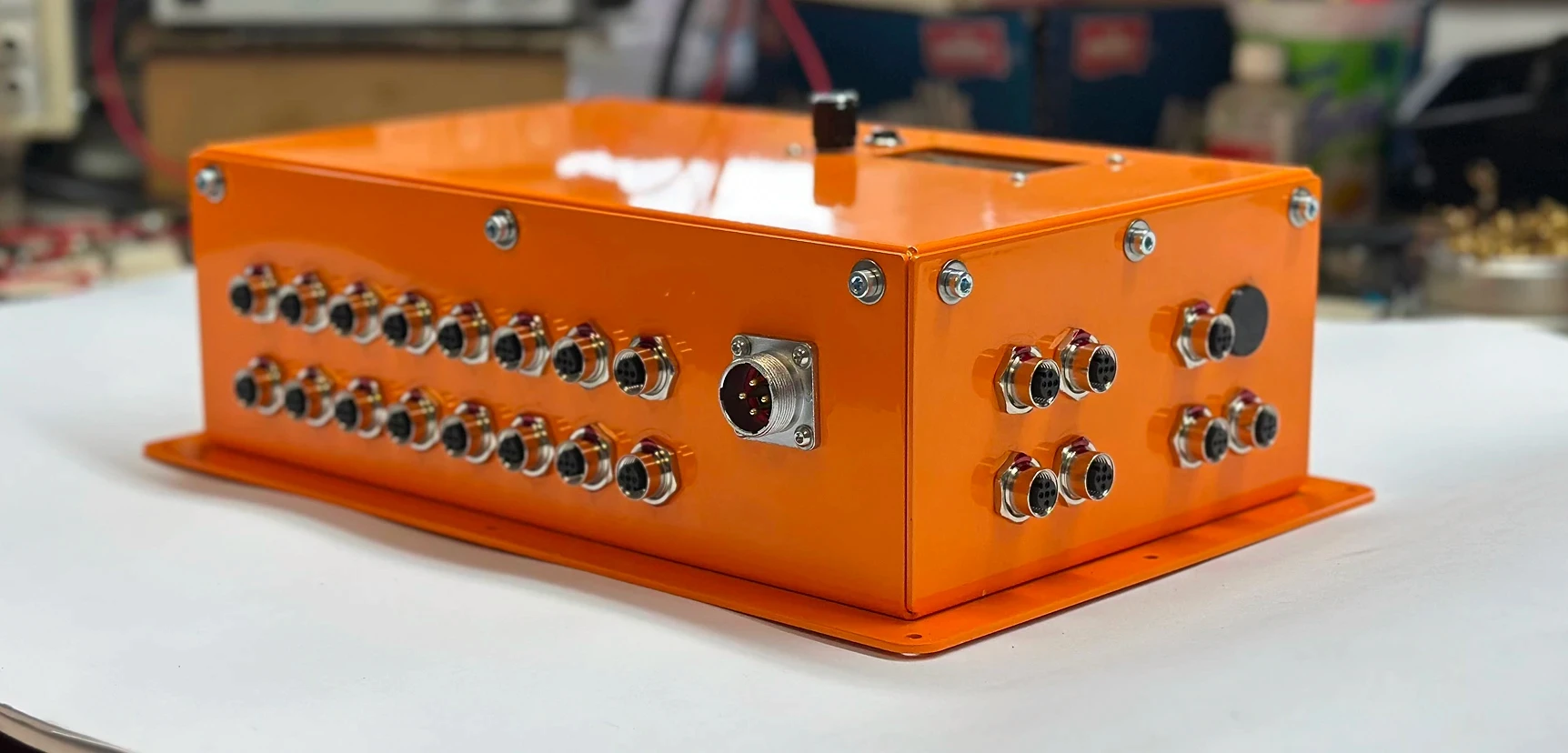
Hardware: Prototypes through series production (quantities from single units to thousands)
Documentation: Wiring diagrams, connection specifications, installation procedures
Support: Engineering assistance during integration, testing, and platform modifications
We also offer White-Label Manufacturing. Electronics can be supplied without branding for OEM integration. This is standard for manufacturers integrating subsystems into platforms under their own brand identity.
Hardware: Prototypes through series production (quantities from single units to thousands)
Documentation: Wiring diagrams, connection specifications, installation procedures
Support: Engineering assistance during integration, testing, and platform modifications
We also offer White-Label Manufacturing. Electronics can be supplied without branding for OEM integration. This is standard for manufacturers integrating subsystems into platforms under their own brand identity.
Deliverables
Hardware: Prototypes through series production (quantities from single units to thousands)
Documentation: Wiring diagrams, connection specifications, installation procedures
Support: Engineering assistance during integration, testing, and platform modifications
We also offer White-Label Manufacturing. Electronics can be supplied without branding for OEM integration. This is standard for manufacturers integrating subsystems into platforms under their own brand identity.
Technical Capabilities
Development usually operates within these general parameters:
Voltage systems: 5V to 48V electronic architectures
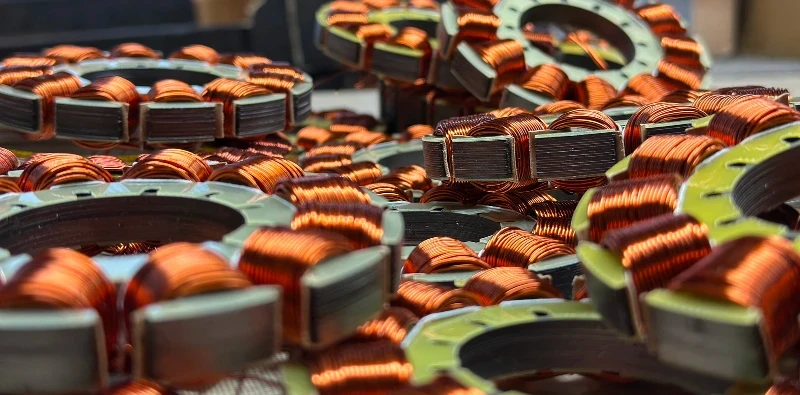
Power generation: Usually up to 5kW output capacity (Possible more)
Platform scale: Mid sized UAV to ultralight aircraft applications (1000 MTOW+)
Environmental: Extended temperature range, mission-based design
Production: Prototype to in-house manufacturing
Requirements outside these ranges are evaluated based on technical factors.
Technical Capabilities
Development usually operates within these general parameters:
Voltage systems: 5V to 48V electronic architectures
Power generation: Usually up to 5kW output capacity (Possible more)
Platform scale: Mid sized UAV to ultralight aircraft applications (1000 MTOW+)
Environmental: Extended temperature range, mission-based design
Production: Prototype to in-house manufacturing
Requirements outside these ranges are evaluated based on technical factors.
Related pages
Related pages

Get in touch with our team.